A fire can cause devastating damage, leaving behind not only burned materials but also smoke residues, lingering odors, and structural instability. Fire damage restoration services near you are designed to address all of these challenges comprehensively—bringing safety, cleanliness, and peace of mind back to your property. Professional restoration teams follow proven, industry-standard procedures to clean, repair, and restore homes and businesses after a fire.
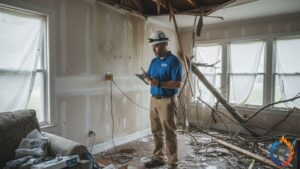
The process begins with site stabilization and safety assessment. Certified technicians inspect the property for structural risks, electrical hazards, and compromised materials. They secure unsafe areas, board up windows, and install temporary roof coverings if necessary to prevent further exposure to the elements. This crucial first step minimizes secondary damage and ensures that cleanup can begin safely and efficiently.
Next comes debris and soot removal, a detailed phase that eliminates charred materials and loose soot using HEPA-filtered vacuums and controlled cleaning techniques. Soot can be acidic and corrosive, so quick removal is essential to prevent permanent staining or deterioration of metal, glass, and painted surfaces. Restoration specialists also focus on corrosion control—especially for electronics, plumbing fixtures, and other sensitive materials that can degrade rapidly after exposure to smoke residues or firefighting chemicals.
Surface cleaning follows, using both dry- and wet-cleaning methods depending on the type of residue and surface material. Non-porous materials may be treated with specialized detergents, while delicate surfaces require gentle dry sponges or chemical sponges to avoid abrasion. In cases where odors persist, technicians apply odor counteractants, ozone treatments, or hydroxyl generators to neutralize smoke smells at the molecular level. These advanced deodorization techniques are safe, effective, and crucial for restoring indoor air quality.
When smoke damage penetrates walls or ceilings, sealing and priming may be necessary to prevent odor migration and discoloration. Restoration teams use specialized primers that lock in smoke odors, preparing the area for repainting and further repairs. Beyond surfaces, fire restoration often includes HVAC system cleaning to remove soot and contaminants from air ducts, ensuring the ventilation system does not recirculate harmful particles after cleanup.
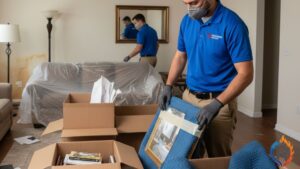
Contents such as furniture, clothing, and personal belongings are handled through textile and content cleaning. Using ultrasonic cleaning, ozone treatment, and specialized wash systems, technicians restore salvageable items while documenting all actions for insurance purposes. Secure off-site facilities often provide temporary storage during this phase, ensuring that cleaned items remain protected until the property is ready for move-in.
Fire restoration companies also assist with insurance coordination, providing detailed reports, photographic documentation, and damage assessments to streamline claim approvals. Choosing a provider familiar with insurance workflows can make the process faster and less stressful.
Our directory helps you find certified, experienced fire damage restoration professionals near you. Compare local companies based on emergency response times, certifications, and customer reviews to find the best match for your needs. With the right restoration team, you can reduce secondary damage, minimize downtime, and reclaim a safe, comfortable environment for your home or business.