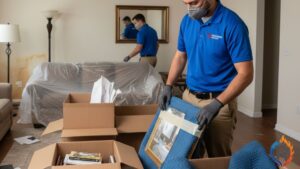
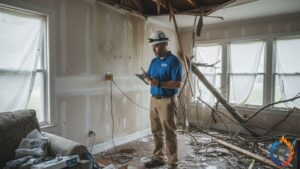
When mold appears in your home or business, it’s more than just an unpleasant sight—it’s a sign of a moisture problem that can threaten your property and health. Mold removal and remediation services near you focus on eliminating active growth, addressing the moisture source, and preventing future outbreaks. Certified professionals use proven methods, specialized equipment, and safety protocols to restore healthy indoor air quality and protect structural materials.
The process begins with a comprehensive inspection and assessment. Trained technicians identify the type, extent, and source of mold growth using moisture meters, infrared cameras, and air or surface sampling. This step helps determine whether the mold is caused by leaks, condensation, or flooding. Understanding the root cause is essential—removing visible mold alone won’t stop it from coming back if underlying moisture issues remain unresolved.
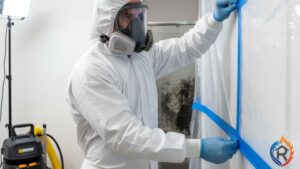
Once the affected areas are mapped, specialists establish containment zones to prevent mold spores from spreading. Plastic sheeting and negative air machines with HEPA filtration are installed to isolate contaminated areas. These systems maintain controlled airflow, ensuring that spores released during cleaning or demolition do not migrate to unaffected parts of the property. Containment is especially critical in homes, schools, and healthcare environments where air quality standards must be strictly maintained.
Next, professionals perform removal and cleaning of contaminated materials. Porous items like drywall, insulation, or carpet may need to be discarded, while non-porous surfaces such as wood framing or metal can often be cleaned and treated. Using HEPA vacuums, antimicrobial cleaners, and industry-specific methods, technicians eliminate mold colonies and microscopic spores. Some companies also apply biocides or botanical disinfectants to inhibit regrowth.
After the mold is removed, technicians focus on drying and moisture control. Dehumidifiers, air movers, and other drying equipment are used to restore proper humidity levels. Specialists may inspect HVAC systems, plumbing, and drainage areas to identify leaks or ventilation problems that contributed to the infestation. They also advise property owners on long-term prevention, including ventilation improvements, insulation upgrades, and regular humidity monitoring.
Many remediation professionals coordinate post-remediation verification (PRV) through independent testing. This step confirms that mold levels are back to normal and that the affected area is safe for reoccupation. Documentation from PRV testing is often valuable for insurance claims, real estate transactions, and peace of mind for property owners.
Choosing the right mold removal and remediation company near you is essential for long-term results. Certified specialists follow standards such as the IICRC S520 and EPA guidelines, ensuring safe and thorough removal. They also understand how to protect HVAC systems, structural integrity, and indoor air quality throughout the process.
Our directory helps you compare local mold remediation experts by certification, experience, service methods, and customer reviews. Whether your mold problem stems from a roof leak, burst pipe, or basement humidity, you can connect with trusted professionals who will restore a healthy environment. With proper remediation and prevention, you can protect your property, your health, and your peace of mind.